


Homeowners
How Many Solar Panels Do You Need?
How many solar panels does the average house need? How many solar panels do I need for a 3-bedroom house? How many solar panels do I need for a 2000 sq. ft. home? These are all common questions for an aspiring solar homeowner. Determining how many solar panels you’ll need for your home requires first knowing what your goals are, be they financial, environmental, generational etc.
Most people in reality want to save as much money as possible, shield themselves from future energy price increases and get a quick return on their investment.
How many solar panels do you need?
To calculate how many solar panels you need, you need to understand:
1. Your home's average energy requirements
2. Your current energy use in kilowatt-hours (kWh)
3. The climate and amount of sunlight in your area
4. The efficiency of the solar panels you’re considering
5. The physical size of the solar panels you’re considering
One simple way of answering the “How many solar panels do I need” question is to get professional help from Ecocorp
How much solar power will you need?
To determine your home’s average energy requirements, we look at your energy use via past utility bills. Then calculate how many solar panels you need by multiplying your household’s hourly energy requirement by the peak sunlight hours for your area and dividing that by a solar panel’s productivity (wattage).
The available roof space or dimensions of the proposed panel location, along with how many hours direct daylight the solar panels would receive all has to be factored into the solar productivity / consumption calculations.
How many watts do you currently use?
Look at your electricity bill for average usage. Look for “Kilowatt Hours (or kWh) Used” or something similar, and then note the length of time represented (usually 30 days). If your bill doesn’t show kilowatt hours used, look for beginning and ending meter readings and subtract the previous reading from the most recent one.
You want daily and hourly usage for our calculations, so if your bill doesn’t show a daily average, just divide the monthly or annual average by 30 or 365 days, respectively, and then divide again by 24 to determine your hourly average electricity usage. Your answer will be in kW. (And just in case you’re wondering, a kilowatt-hour is how much power you are using at any given time multiplied by the total time the power is being used.)
A small home in a temperate climate might use something like 3-400 kWh per month, and a larger home in the south where air conditioners account for the largest portion of home energy usage might use 2-3,000 kWh or more. The average home uses about 900 kWh per month. So that’s 30 kWh per day or 1.25 kWh per hour.the per hour number obviously varies significantly throughout the day and is generally at its highest in periods when cookers, air conditioning units and pool equipment are in use.
Your average daily energy usage is your target daily average to calculate your solar needs. That’s the number of kilowatt-hours you need your solar system to produce if you want to cover most if not all of your electricity needs.
It’s important to note that solar panels don’t operate at maximum efficiency 24 hours a day.
Weather conditions, for example, can temporarily reduce your system’s efficiency. Therefore, experts recommend adding a healthy “cushion” to your target daily average to ensure you can generate all the clean energy you need.
How many hours of sunlight can you expect in your area?
The peak sunlight hours for your particular location will have a direct impact on the energy you can expect your home solar system to produce. For example, here in Andalucia we can expect to have a greater number of peak sunlight hours than if you lived in the north of Spain. Fortunately that means our local customers often choose to instal less solar panels than property owners in more northerly locations.
What affects solar panel output efficiency?
Here’s where solar panel quality makes a difference. Not all solar panels are alike. Photovoltaic (PV) solar panels have differing productivity outputs depending on both the panel size and the efficiency of the product (how well a panel is able to convert sunlight into energy), and on the cell technology.
Solar panel technology and differences in productivity is an science and there is a lot of rubbish talked by many selling solar who confuse the real issues by comparing guarantees and raw manufacturing materials rather than the issues of buying cheap panels manufactured to the bare minimum legal standards that impact the longevity and effective productivity of a panel over time.
Because of these wide variations in quality and efficiency, it’s difficult to generalize about which solar panels are right for you or how many you’ll need for your home. The main takeaway is that the more efficient the panels are, the more wattage they can produce, and the fewer you will need on your roof to get the same energy output. Ecocorp panels are known to be among the most efficient solar panels on the market.*
Solar panel dimensions
Ecocorp standard residential solar panels measure 105 x208 cms..
These dimensions have remained unchanged for many years, but the efficiency and output from that same footprint have in recent times changed dramatically for the better. So in the case of panel productivity it’s clear that size doesn’t always matter.
Ecocorp designs entire systems to have virtually no gaps between panels and uses invisible framing and mounting hardware to keep the rooftop footprint as tight, efficient, and attractive as possible.
How much do solar panels weigh?
If you’re planning on installing a rooftop solar system, understanding the weight of your solar panels is another key factor to consider. Knowing a solar panel’s weight is the best way to be certain that your roof can support a full installation.
While panel weights vary from brand to brand, most panels weigh about 23 kilograms. However, that weight is spread over 2 M2 and thereby equates to the equivalent of a bag of sugar over every square foot
Summary: How many panels do you need?
Knowing the answers to the above questions will give you an idea of the ideal number of panels for your electricity generation needs, or at least a realistic range. Next, one of the family would need to assess your roof architecture, angle to the sun, and other factors to see if and how you’d be able to physically arrange the right number of panels on your roof to achieve your daily energy production goals.
You should also consider net metering as you’re considering how much money you’ll save and make from your solar system. Net metering is how your utility company credits you for producing excess solar energy when the sun is shining and then lets you draw from those credits when you’re using a conventional power grid at night if you don’t store your excess solar energy in a battery storage system.
Ready to learn more about saving with solar panels? How to get started
Is Solar Right For Your Home?
Is My House a Good Candidate for Solar Panels?
If you're thinking about going solar, you're probably wondering: Is solar cost effective? Is my roof suitable for solar panels? Will solar energy generate enough electricity to power my home? Who makes the best solar panels?
But first, it's important to explore if solar panels for your home make sense. Here are some key questions we ask anyone interested in buying a solar energy system to make sure their home is best suited for making power with solar panels.
1. How much is your energy bill?
Knowing how much you pay for energy is the first step in evaluating whether your house is a good candidate for solar. The main question is, will it save you money? In some areas, electricity is very inexpensive. For most homeowners, the electricity bill is a dreaded monthly expense. The general rule is that solar makes the most financial sense for someone with a monthly electricity bill of at least €80.
Why? Because going solar replaces utility energy with solar energy, and we want our customers to see a return on that investment by paying less for that energy.
A utility bill of €80 is the threshold at which residential solar customers will see solar savings. There are several ways to go solar, depending on a customer's needs and goals.
The overall idea is to pay less than you currently pay, lock in your electricity rate and save money by generating your own clean, free energy onsite.
2. What kind of suitable sites for panels do you have?
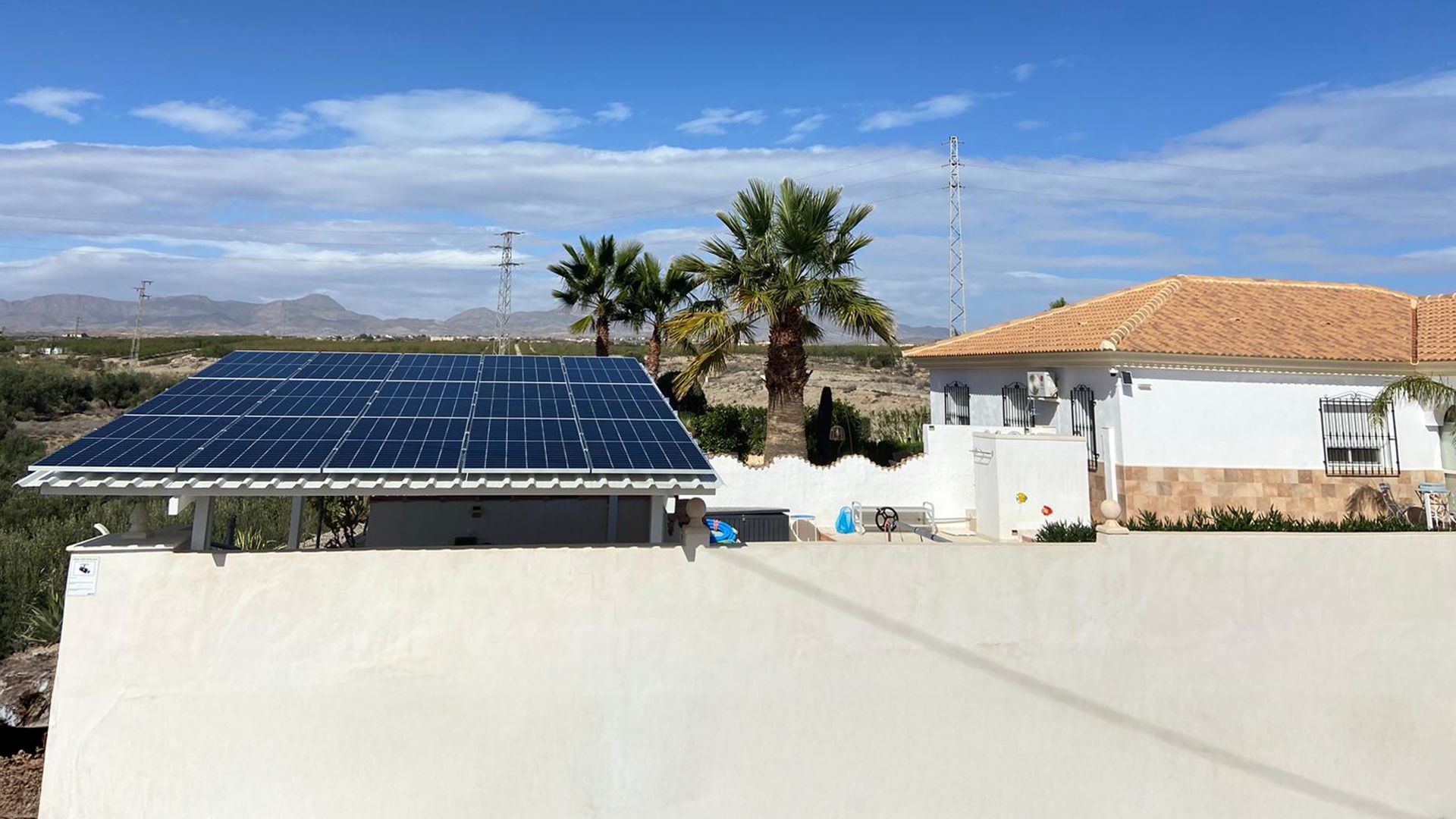
Solar panels work best fixed to strong, durable materials, such as concrete roof tiles, stable wooden or metal structures such as pergolas, carports and conservatories, or ground mounted with the racks firmly anchored to concrete pads or a concrete plinth. Arranging a site visit from one of experienced team will help confirm the most suitable location from the perspectives of:
• Productivity;
• Longevity; and also
• Aesthetics, which for ourselves is a key consideration as the job also has to look good.
3. How much sunlight does your roof receive?
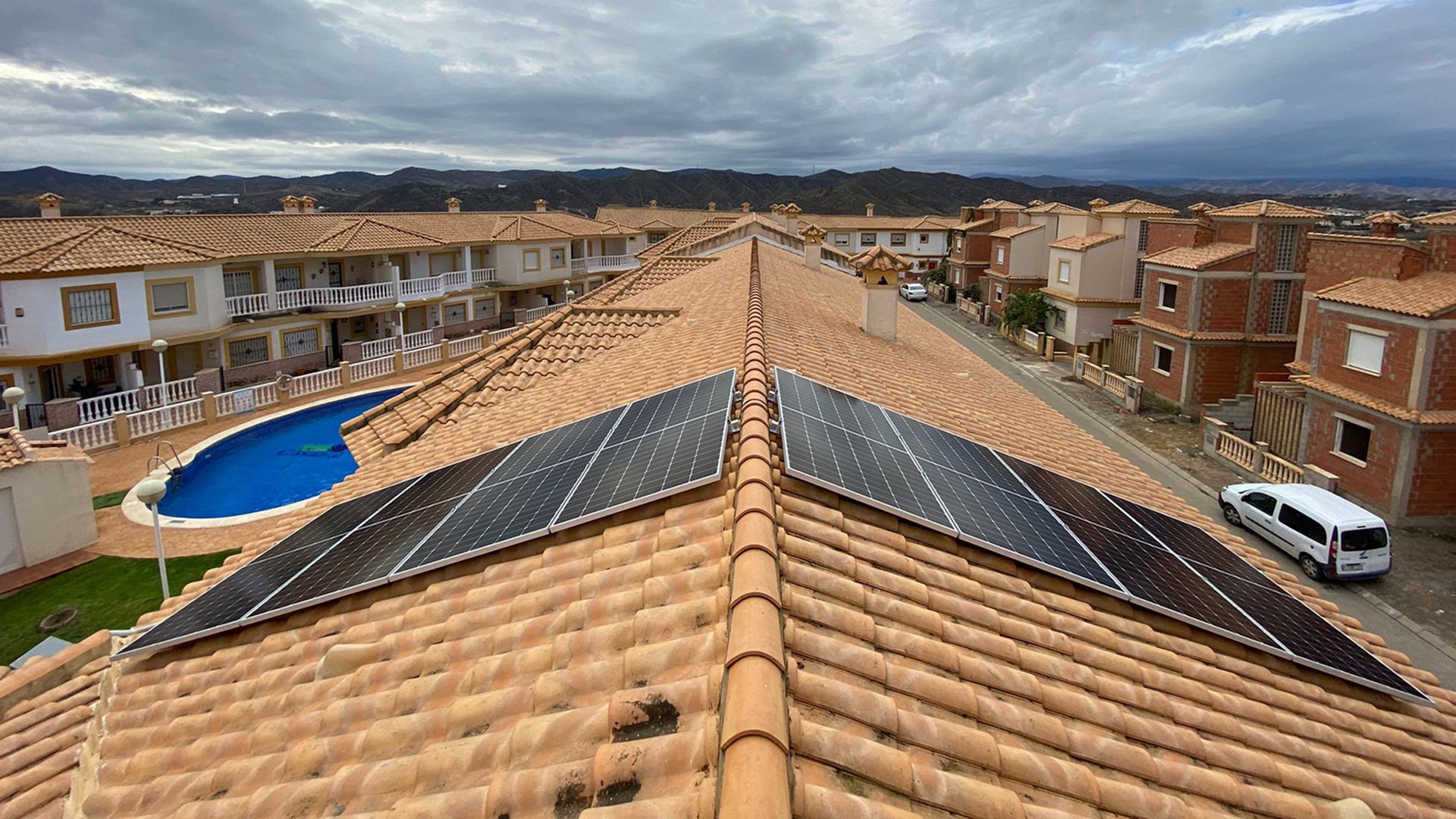
To see if your house is a good candidate for solar, it is best to set up an appointment for a solar consultation with an expert who will visit your home to inspect its orientation (solar panels facing south capture more energy), roof angle and tree shading to see if your roof will receive enough sunlight to meet your family's energy needs.
Ecocorp solar home consultations are free, and you can learn a lot about your home and best energy options. The more direct sunlight your home receives, the more power the panels will produce. While Ecocorp solar panels are known for having the highest efficiency at generating power in low-light situations, excessive shading will reduce the amount of power that can be generated. Thankfully, technological innovation has delivered solutions to address issues created by shading and thereby help optimise daylight solar productivity levels.
Do Solar Panels Increase The Value Of My Home?
One of the considerations people have when making an investment in solar is whether or not solar panels increase the value of your home.
Thankfully, there's good news: In addition to saving money on your monthly electric bill, adding solar to your house can increase the property value and make your home more attractive to any future potential purchaser. Homes with solar sell for an average of 4.1% more than homes without solar. With more than 80% of homebuyers stating energy-efficiency features (such as solar) are important to them when choosing a new home.
Your Solar Questions Answered!
Frequently asked questions about home solar...
Q. How do home solar systems work?
A photovoltaic (PV) solar energy system is composed of solar panels, racking for mounting and securing the panels in situ , electrical wiring, and an inverter. From sunrise to sunset, the solar panels generate direct current electricity (DC) which is sent to the inverter. The inverter, in reality a converter, changes the DC into alternating current (AC), which is the type of electricity required for household use. The AC power is delivered directly to your home's main electrical service panel for use by you and your family.
Q. How does shade affect a solar system's performance?
It's important to minimize shading because solar panels operate at optimal output when their entire surface is fully exposed to direct sunlight. The system will still produce energy if it is shaded, for example by a parapet wall, chimney or tall palm trees, all of which potentially can reduce the system solar productivity.
Ecocorp specialists will will evaluate your particular situation and provide solar options for you that maximise productivity You should also read the. Guidance on whether your home is a good candidate for solar to help when making the decision whether going solar is right for you.
Q. How long will a solar system last?
Our systems are designed to have a useful life of 30 years or more. For more information about solar panel durability and performance, check out this report on solar system useful life (LINK REQUIRED) field tests performed by Which magazine.
Q. How much will I save with a solar system?
Your current monthly energy use and the size of your system will determine your actual savings amount. And, systems start paying for themselves immediately. Savings will vary based on several factors, including system size, performance, your household's average energy usage as well as any applicable solar credits, tax incentives, and current solar energy buyback (net metering) rates offered by your utility company. A potential return on investment (ROI) will be provided by Ecocorp during your home visit solar evaluation.
Q. Will a home solar system increase my property taxes?
Having a solar system typically adds value to your home. Currently, in Andalucia there is often no increase in your annual property taxes. Though we do recommend that like all major home improvements you discuss the proposed changes with your home insurance company
Q. How much will an Ecocorp solar system for my home cost?
The cost of your solar system depends on several factors, including your current energy usage, your available amount of unshaded roof space, your local utility's net metering policy, and other factors that determine the complexity of the installation and the amount of time and materials required. To get a free no obligation quote and advice on what system best suits your needs GET STARTED.
Q. Are all solar panels equal?
Despite the generalities you may hear in solar advertising, not all solar systems are created equal! Of all companies in the market, Ecocorp provides access to panels among those of the highest efficiency and convert the highest amount of sunlight into electricity. This means our solar panels generate more power than conventional panels within the same amount of space, and you'll need fewer panels to produce the energy you need. You can maximize your available roof space to choose the best, unobstructed location for electricity production helping you maximise your investment and save more money over time.
Why choose us?
Proven experience
More than 20 years in the sector
Fast work
We meet deadlines without compromising quality
Solar home systems

Battery Storage: Virtual or Physical?

Certainly! Here is the translation: Where can solar panels be installed?

How do solar systems work?
Our products

New construction properties

Charging systems for electric vehicles

Heating your pool

Premium brands you can trust
Contact us
Call us or send us an email and we will help you resolve any questions or queries you may have.
